Bagintravel
Download
Dubrovnik

Travel guide · The Adriatic and its islands

Travelling to Croatia

Walled cities on the Adriatic, more than a thousand islands and turquoise lakes among waterfalls. We tell you when to go, what to see in each city and what to eat.

Updated 19 October 2026 · How we make our guides

  • All year round
  • Where to eat: the konoba (tavern)
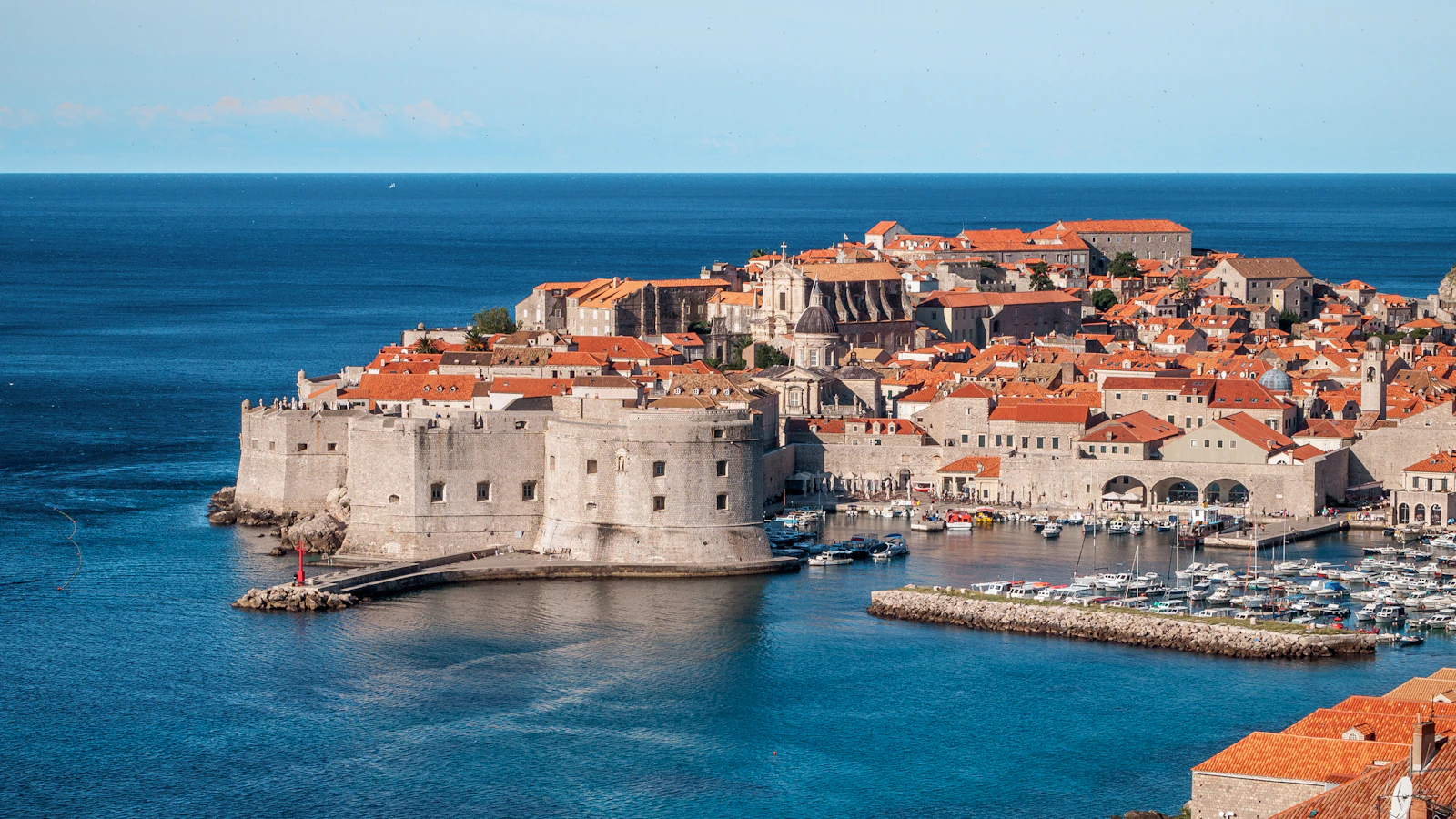
Photo: Unsplash

Croatia in 30 seconds

  • Any time of year is good to travel to Croatia: our data shows no months with weather, closure or crowd warnings.
  • Jadrolinija/Krilo ferries.
  • To eat like a local: the konoba (tavern). Don’t leave without trying: Peka, Pašticada, Crni rižot.

Croatia in November

Yes: November is a good time to travel to Croatia. Our data shows no weather or seasonal warnings that month.

More destinations for November

When to travel to Croatia

Any time of year is good to travel to Croatia: our data shows no months with weather, closure or crowd warnings.

  1. Jan no warnings
  2. Feb no warnings
  3. Mar no warnings
  4. Apr no warnings
  5. May no warnings
  6. Jun no warnings
  7. Jul no warnings
  8. Aug no warnings
  9. Sep no warnings
  10. Oct no warnings
  11. Nov no warnings
  12. Dec no warnings

What to see in Croatia

The cities and areas most worth your time, with their highlights. Open each one for all the places, where to stay and its day trips.

  • Dubrovnik
    Dalmatia

    Dubrovnik

    The pearl of the Adriatic: walls encircling a marble old town by the sea.

    • City walls
    • Stradun
    • Cable car
    • Lokrum
    Dubrovnik guide
  • Split
    Dalmatia

    Split

    A city that lives inside a Roman emperor’s palace, with boats out to the islands.

    • Diocletian’s Palace
    • Riva
    • Marjan
    • Market
    Split guide
  • Zagreb

    Zagreb

    The capital: a medieval upper town, cafés and one of the best Christmas markets in Europe.

    • Upper Town
    • St Mark’s Church
    • Museum of Broken Relationships
    • Dolac Market
    Zagreb guide
  • Hvar
    Dalmatia

    Hvar

    The island of sunshine and lavender, with a lively harbour and coves to explore by boat.

    • St Stephen’s Square
    • Fortress
    • Pakleni
    • Stari Grad
    Hvar guide
  • Zadar

    Zadar

    Roman ruins, medieval churches and an organ played by the sea at sunset.

    • Sea Organ
    • Greeting to the Sun
    • Church of St Donatus
    • Roman Forum
    Zadar guide
  • Plitvice Lakes

    Plitvice Lakes

    Sixteen turquoise lakes linked by waterfalls in a forest: Croatia’s most famous park.

    • Lower Lakes
    • Upper Lakes
    • Wooden boardwalks
    • Lake Kozjak boat
    Plitvice Lakes guide
  • Rovinj

    Rovinj

    Istria’s prettiest town: colourful houses on a peninsula, with a church at the top.

    • Church of St Euphemia
    • Grisia Street
    • Old town
    • St Catherine’s Island
    Rovinj guide
  • Šibenik

    Šibenik

    A stone city with two UNESCO World Heritage Sites, near Krka National Park.

    • Santiago Cathedral
    • St Nicholas Fortress
    • St Michael’s Fortress
    • Krka National Park
    Šibenik guide
  • Pula
    Istria

    Pula

    A complete Roman amphitheatre by the sea, at the tip of Istria.

    • Amphitheatre
    • Temple of Augustus
    • Kamenjak
    • Rovinj
    Pula guide
  • Korčula

    Korčula

    A little Dubrovnik on an island of vineyards, with herringbone streets.

    • Old town
    • Marco Polo House
    • Walls and towers
    • Lumbarda
    Korčula guide
  • Trogir

    Trogir

    A medieval town on an island, a UNESCO World Heritage Site, a stone’s throw from Split.

    • Cathedral of St Lawrence
    • Kamerlengo Fortress
    • Seafront promenade
    • Old town
    Trogir guide
  • Krka National Park

    Krka National Park

    Waterfalls and boardwalks over the Krka river, with a monastery on an island.

    • Skradinski buk
    • Boardwalks
    • Visovac Island
    • Roški slap
    Krka National Park guide
  • Makarska

    Makarska

    Pebble beaches below Mount Biokovo, on one of the most beautiful stretches of the Dalmatian coast.

    • Riviera beaches
    • Biokovo Skywalk
    • Seafront promenade
    • Brela
    Makarska guide
  • Opatija

    Opatija

    An elegant spa town from the Austro-Hungarian era, with villas and a seafront promenade.

    • Lungomare
    • Villa Angiolina
    • Maiden with the Seagull
    • Volosko
    Opatija guide

What to eat in Croatia

To eat like a local: the konoba (tavern), and order grilled catch of the day or peka, if you order it hours ahead. And don’t leave without trying:

  • Peka

    Meat or octopus with potatoes cooked under an iron bell covered in embers.

  • Pašticada

    Beef braised in wine and prunes, with gnocchi; Dalmatia’s celebration dish.

  • Crni rižot

    Black risotto with cuttlefish ink.

  • Ston oysters

    From the Pelješac peninsula, with centuries of tradition.

  • Burek

    Filo pastry filled with meat or cheese, for breakfast.

  • Fritule

    Little sugared fritters, a Christmas classic.

The typical dish of Croatia, at home

Peka
Photo: MatSkvorc · CC BY-SA 4.0

Peka

Meat (lamb, veal or octopus) with potatoes and vegetables, cooked under an iron bell covered in embers. It’s Dalmatia’s celebration dish; you have to order it hours in advance.

  • Serves 6
  • 3 h

Ingredients

  • 1.5 kg lamb or veal in pieces (or a large octopus)
  • 1.5 kg potatoes
  • 2 onions
  • 1 head of garlic
  • 2 peppers
  • Rosemary
  • 150 ml olive oil
  • 150 ml white wine
  • Salt and pepper

How to make it at home

  1. Put the meat in a lidded roasting dish (or a cast-iron pot), with the potatoes in large chunks around it.
  2. Add the onion wedges, garlic, peppers and rosemary.
  3. Drizzle with the oil and wine and season.
  4. Cover and roast at 180 °C for about 2 hours, without lifting the lid.
  5. Uncover for the last 20 minutes so everything browns.

The trick: The closed lid mimics the bell: everything cooks in its own steam and then crisps up.

The typical food of each city, with a recipe

Curious facts about Croatia

What guidebooks don’t tell you and will help you understand the country better.

  • The necktie was born from the scarves worn by Croatian soldiers: the French “cravate” comes from “Croat”.
  • It has more than a thousand islands in the Adriatic.
  • Many Game of Thrones scenes were filmed in Dubrovnik.
  • Dalmatian dogs owe their name to Dalmatia, the Croatian coast.
  • Since 2023 it has used the euro and been part of the Schengen area.
  • In Zadar there’s an organ played by the waves of the sea.

Traditions of Croatia

Customs and celebrations that will help you experience the country like a local.

  • December Advent in Zagreb

    One of Europe’s most award-winning Christmas markets, spread all over the city.

  • Klapa

    Dalmatian a cappella singing, recognised by UNESCO as Intangible Cultural Heritage.

  • 3 February Feast of St Blaise

    Dubrovnik’s patron saint, with a procession and celebrations going back a thousand years.

  • Moreška

    Korčula’s sword dance, which re-enacts a battle.

What not to do in Croatia

First-trip mistakes that are easy to avoid.

  • Don’t walk around the old towns of Split, Hvar or Dubrovnik in swimwear or shirtless: there are fines.
  • Don’t swim in the Plitvice Lakes: it’s forbidden.
  • Don’t expect to catch the ferry to the islands in August without a reservation.
  • Don’t go to the islands in winter expecting everything to be open.
  • Don’t step on sea urchins: wear water shoes on rocky beaches.
  • Don’t trust driving times on the coast: lots of bends and lots of traffic in summer.

Before you go

Entry requirements depend on your passport and change: always check them with official sources before travelling.

Frequently asked questions about Croatia

What people search for most before travelling to Croatia.

What’s the best time to travel to Croatia?

Any time of year is good to travel to Croatia: our data shows no months with weather, closure or crowd warnings.

What to see in Croatia in a week?

The essentials of Croatia: Dubrovnik, Split, Zagreb, Hvar and Zadar. How many places fit into your days, and in what order, depends on your dates and how you get around: the Bagintravel app plans your trip day by day in a minute.

What to eat in Croatia?

Peka, Pašticada, Crni rižot, Ston oysters, Burek, Fritule. To eat like a local: the konoba (tavern).

What is the typical dish of Croatia?

Peka. Meat (lamb, veal or octopus) with potatoes and vegetables, cooked under an iron bell covered in embers. It’s Dalmatia’s celebration dish; you have to order it hours in advance.

What should you not do in Croatia?

Don’t walk around the old towns of Split, Hvar or Dubrovnik in swimwear or shirtless: there are fines. Don’t swim in the Plitvice Lakes: it’s forbidden. Don’t expect to catch the ferry to the islands in August without a reservation.

Is it worth travelling to Croatia in November?

Yes: November is a good time to travel to Croatia. Our data shows no weather or seasonal warnings that month.

Bagintravel · We travel together

Shall we plan your trip to Croatia?

Tell us where and in under a minute you’ll have your day-by-day route, with places to stay, transport, expenses and tips. And we go with you in your pocket, offline too.

The app is currently available in Spanish.

More guides

Guide reviewed 19 October 2026. Seasonal data, places and areas: the same ones the Bagintravel app uses. Sources and method.

Photos: cover, Unsplash. Dubrovnik, Zysko serhii (CC BY-SA 4.0). Split, dronepicr (CC BY 2.0). Zagreb, Nick Savchenko from Kiev, Ukraine (CC BY-SA 2.0). Hvar, Bernard Gagnon (CC BY-SA 4.0). Zadar, Flickr user: Alistair young (CC BY 2.0). Plitvice Lakes, OrionCro (CC BY-SA 4.0). Rovinj, Paul 14 (CC BY-SA 4.0). Šibenik, Bernard Gagnon (CC BY-SA 4.0). Pula, Orlovic (CC BY-SA 3.0). Korčula, Wikimedia Commons (CC BY-SA 3.0). Trogir, Rigorius (CC BY-SA 4.0). Krka National Park, Skot (CC BY-SA 4.0). Makarska, enblomskan (CC BY 2.0). Opatija, Berthold Werner (CC BY-SA 3.0).