Bagintravel
Download
Varadero

Travel guide · Havana and Viñales

Travelling to Cuba

Old Havana, cars from the fifties, colonial Trinidad, Viñales and white-sand beaches. We tell you when to go, what to see and what to eat.

Updated 19 October 2026 · How we make our guides

  • Best time: from December to May
  • Where to eat: the paladar (a family-run restaurant)
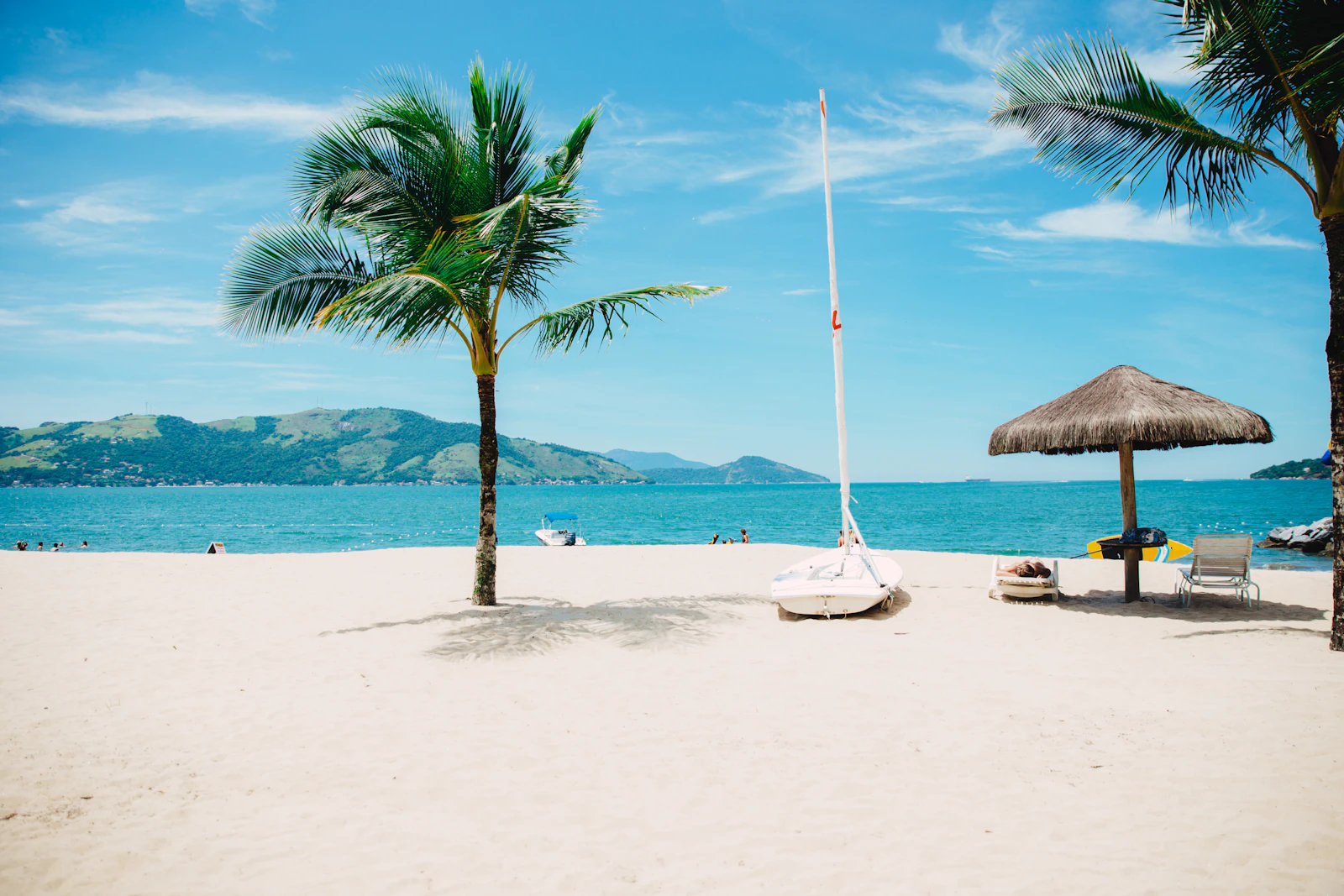
Photo: Unsplash

Cuba in 30 seconds

  • The months with the fewest warnings to travel to Cuba are from December to May. If you can, avoid from August to October (hurricane season).
  • Cash; card payments are limited
  • To eat like a local: the paladar (a family-run restaurant). Don’t leave without trying: Ropa vieja, Moros y cristianos, Lechón asado.

Cuba in November

You can go, with a few caveats: hurricane season. Book with free cancellation, take out travel insurance that covers weather events and check the National Hurricane Center’s forecasts a few days before you go.

  • November

    Hurricane season

    Hurricanes can form from June to November; August, September and October are the riskiest months. There are almost always days of heavy rain and humid heat.

    What to do: Book with free cancellation, take out travel insurance that covers weather events and check the National Hurricane Center’s forecasts a few days before you go.

More destinations for November

When to travel to Cuba

The months with the fewest warnings to travel to Cuba are from December to May. If you can, avoid from August to October (hurricane season).

  1. Jan no warnings
  2. Feb no warnings
  3. Mar no warnings
  4. Apr no warnings
  5. May no warnings
  6. Jun with warnings
  7. Jul with warnings
  8. Aug with strong warnings
  9. Sep with strong warnings
  10. Oct with strong warnings
  11. Nov with warnings
  12. Dec no warnings

More destinations for those dates: where to travel in January · where to travel in February · where to travel in March · where to travel in April

  • from June to November

    Hurricane season

    Hurricanes can form from June to November; August, September and October are the riskiest months. There are almost always days of heavy rain and humid heat.

    What to do: Book with free cancellation, take out travel insurance that covers weather events and check the National Hurricane Center’s forecasts a few days before you go.

    Best time: December to April

What to see in Cuba

The cities and areas most worth your time, with their highlights. Open each one for all the places, where to stay and its day trips.

  • Havana
    Havana

    Havana

    Old Havana, the Malecón, classic cars and music on every corner.

    • Malecón
    • Cathedral Square
    • Museum of the Revolution
    • Fábrica de Arte
    Havana guide
  • Viñales
    Viñales

    Viñales

    A valley of mogotes and tobacco fields, a World Heritage Site.

    • Viñales Valley
    • Cueva del Indio
    • Tobacco plantation
    • Los Jazmines viewpoint
    Viñales guide
  • Varadero

    Varadero

    Twenty kilometres of white-sand beach on a peninsula.

    • Varadero Beach
    • Saturno Cave
    • Josone Park
    • Cayo Blanco
    Varadero guide
  • Trinidad

    Trinidad

    A colonial town of cobbled streets and colourful houses, a World Heritage Site.

    • Plaza Mayor
    • Valley of the Sugar Mills
    • Playa Ancón
    • Casa de la Música
    Trinidad guide
  • Cienfuegos

    Cienfuegos

    The “pearl of the south”, French-influenced, on a large bay.

    • Parque Martí
    • Palacio de Valle
    • Punta Gorda
    • El Nicho
    Cienfuegos guide
  • Santiago de Cuba

    Santiago de Cuba

    Cuba’s most Caribbean city, the birthplace of son and of the revolution.

    • El Morro Castle
    • Casa de la Trova
    • Basilica of El Cobre
    • Santa Ifigenia Cemetery
    Santiago de Cuba guide
  • Cayo Santa María

    Cayo Santa María

    An islet of unspoilt beaches linked to the mainland by a causeway over the sea.

    • Beaches
    • Pedraplén
    • Remedios
    • Snorkelling
    Cayo Santa María guide
  • Cayo Coco

    Cayo Coco

    Cays of the Jardines del Rey, with flamingos and postcard beaches.

    • Playa Pilar
    • Flamingos
    • Cayo Guillermo
    • Arrecife
    Cayo Coco guide
  • Baracoa

    Baracoa

    Cuba’s first town, isolated among rainforest, rivers and chocolate.

    • El Yunque
    • Toa River
    • Playa Maguana
    • Cocoa
    Baracoa guide
  • Camagüey

    Camagüey

    The city of tinajones and labyrinthine streets, with a colonial centre that is a World Heritage Site.

    • Plaza San Juan de Dios
    • Tinajones
    • Plaza del Carmen
    • Alleyways
    Camagüey guide
  • Santa Clara

    Santa Clara

    Che’s city, with his mausoleum and the armoured train, in the centre of the island.

    • Che Guevara Memorial
    • Armoured Train
    • Parque Vidal
    • Teatro La Caridad
    Santa Clara guide
  • Cayo Largo

    Cayo Largo

    A cay of white sand and turquoise water south of Cuba, with iguanas and turtles.

    • Playa Sirena
    • Playa Paraíso
    • Cayo Iguana
    • Turtle farm
    Cayo Largo guide

Day trips and activities

What’s most worth booking from each city. We take you straight to the best-rated tour on GetYourGuide, with its reviews and dates.

From Varadero

From Trinidad

From Cienfuegos

From Santiago de Cuba

From Cayo Santa María

From Cayo Coco

From Baracoa

From Camagüey

From Santa Clara

From Cayo Largo

Some links are affiliate links: if you book through them, Bagintravel may earn a commission at no extra cost to you.

What to eat in Cuba

To eat like a local: the paladar (a family-run restaurant), and order ropa vieja or moros y cristianos. And don’t leave without trying:

  • Ropa vieja

    Shredded beef stewed with tomato and peppers.

  • Moros y cristianos

    Rice with black beans.

  • Lechón asado

    Roast pork with mojo.

  • Tostones

    Green plantain, fried and flattened.

  • Mojito

    Rum, mint, lime, sugar and soda.

  • Daiquiri

    Rum, lime and sugar, with crushed ice.

The typical dish of Cuba, at home

Ropa vieja
Photo: El Mono Español · CC BY-SA 4.0

Ropa vieja

Cuba’s national dish, of Canary Island origin: beef cooked and shredded in a sofrito of tomato, pepper and onion. It’s served with white rice, black beans and fried ripe plantain.

  • Serves 6
  • 2 h 30 min

Ingredients

  • 1 kg beef flank
  • 1 large onion
  • 1 red and 1 green pepper
  • 4 garlic cloves
  • 400 g crushed tomatoes
  • 100 ml dry white wine
  • Cumin, oregano, bay leaf
  • Olive oil and salt

How to make it at home

  1. Simmer the meat with the bay leaf, half the onion and salt in water for 1½ hours, until very tender. Keep the broth.
  2. Let it cool slightly and shred it with your hands or two forks.
  3. Fry the onion, the pepper strips and the garlic in oil.
  4. Add the tomato, wine, cumin and oregano, and cook for 10 minutes.
  5. Add the meat with a little broth and cook for 15 minutes more. Serve with rice, beans and fried plantain.

The trick: Shred the meat along the grain: that way it ends up in strands, like “old clothes” (ropa vieja).

The typical food of each city, with a recipe

Curious facts about Cuba

What guidebooks don’t tell you and will help you understand the country better.

  • American cars from the forties and fifties still drive through its streets.
  • Old Havana and Trinidad are World Heritage Sites.
  • The most famous Cuban cigars come from the tobacco fields of Viñales.
  • The internet works with limitations: bring offline maps.
  • Cuban son is at the root of salsa.
  • Many travellers stay in casas particulares, with Cuban families.

Traditions of Cuba

Customs and celebrations that will help you experience the country like a local.

  • Live music

    Son, salsa and trova in every square and casa de la música.

  • 24 December Parrandas de Remedios

    Fireworks and floats between two rival neighbourhoods.

  • July Santiago Carnival

    The most famous in the country.

  • Quinceañera

    A big celebration of girls’ fifteenth birthdays.

What not to do in Cuba

First-trip mistakes that are easy to avoid.

  • Don’t travel without your visa (tourist card) and the entry forms.
  • Don’t count on paying by card or withdrawing money everywhere: bring cash and plan ahead.
  • Don’t drink tap water.
  • Don’t talk politics with just anyone.
  • Don’t buy cigars on the street: they’re usually fake.
  • Don’t forget to bring basic medicines: they can be scarce.

Before you go

Entry requirements depend on your passport and change: always check them with official sources before travelling.

Frequently asked questions about Cuba

What people search for most before travelling to Cuba.

What’s the best time to travel to Cuba?

The months with the fewest warnings to travel to Cuba are from December to May. If you can, avoid from August to October (hurricane season).

What to see in Cuba in a week?

The essentials of Cuba: Havana, Viñales, Varadero, Trinidad and Cienfuegos. How many places fit into your days, and in what order, depends on your dates and how you get around: the Bagintravel app plans your trip day by day in a minute.

What to eat in Cuba?

Ropa vieja, Moros y cristianos, Lechón asado, Tostones, Mojito, Daiquiri. To eat like a local: the paladar (a family-run restaurant).

What is the typical dish of Cuba?

Ropa vieja. Cuba’s national dish, of Canary Island origin: beef cooked and shredded in a sofrito of tomato, pepper and onion. It’s served with white rice, black beans and fried ripe plantain.

What should you not do in Cuba?

Don’t travel without your visa (tourist card) and the entry forms. Don’t count on paying by card or withdrawing money everywhere: bring cash and plan ahead. Don’t drink tap water.

Is it worth travelling to Cuba in November?

You can go, with a few caveats: hurricane season. Book with free cancellation, take out travel insurance that covers weather events and check the National Hurricane Center’s forecasts a few days before you go.

Bagintravel · We travel together

Shall we plan your trip to Cuba?

Tell us where and in under a minute you’ll have your day-by-day route, with places to stay, transport, expenses and tips. And we go with you in your pocket, offline too.

The app is currently available in Spanish.

More guides

Guide reviewed 19 October 2026. Seasonal data, places and areas: the same ones the Bagintravel app uses. Sources and method.

Photos: cover, Unsplash. Havana, RenaatPeeters (CC BY-SA 4.0). Viñales, Martin Abegglen from Bern, Switzerland (CC BY-SA 2.0). Varadero, Tony Hisgett from Birmingham, UK (CC BY 2.0). Trinidad, Marc-Lautenbacher (CC BY-SA 4.0). Cienfuegos, Benotzer:Alexandra (CC BY-SA 3.0). Santiago de Cuba, José Adolfo Gutiérrez Vidal (CC BY-SA 4.0). Cayo Santa María, Toutaitanous (CC BY-SA 3.0). Cayo Coco, Rickybolgia (Public domain). Baracoa, Ralf1010 (CC BY-SA 3.0). Camagüey, Arnoud Joris Maaswinkel (CC BY-SA 4.0). Santa Clara, Man-ucommons (CC BY-SA 3.0). Cayo Largo, Albert Amor aamor (CC0).